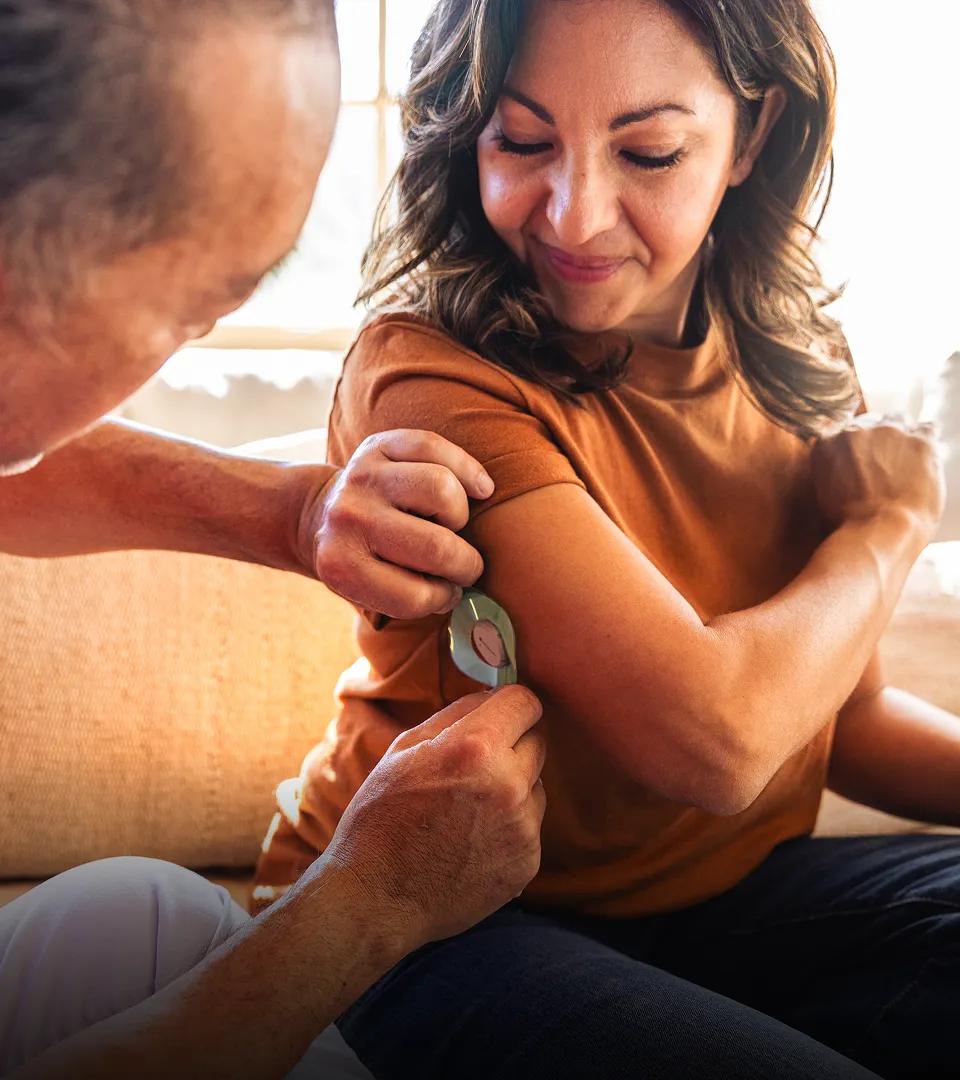
Shared strategies protect our shared world from zoonotic health threats — Verily Sightline and One Health
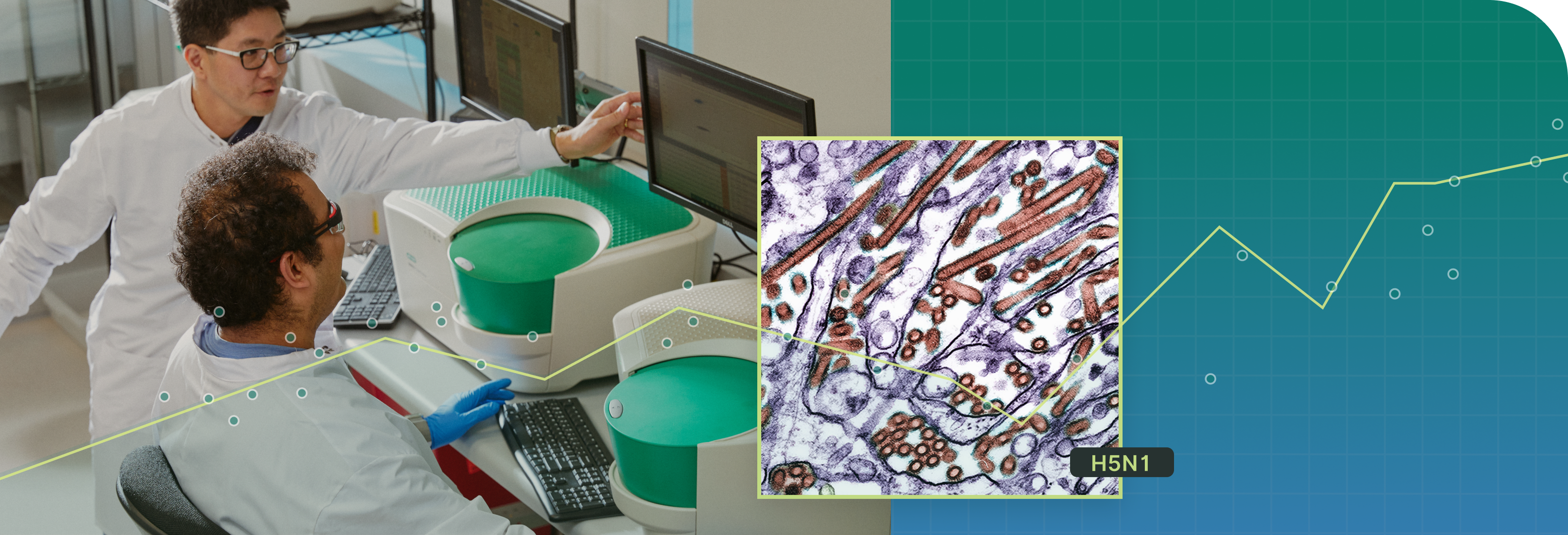
H5N1 is a type of highly pathogenic avian influenza (HPAI) — a virus that typically spreads among birds, and therefore, is commonly known as bird flu. While the current public health risk to humans is considered low, its potential for widespread presence in wild birds, poultry, and dairy cows across the United States requires robust monitoring. This threat highlights the critical role of innovative monitoring methods in safeguarding our communities, such as Verily’s wastewater monitoring, and holistic strategies like One Health.
At Verily, we monitor hundreds of sites, making sure we're providing critical wastewater information to local health departments about what pathogens are circulating in their communities, including H5.
Amy Lockwood, MS, MBA, PhD,
Verily Head of Public Health Partnerships
The One Health philosophy
One Health is an integrated approach that recognizes the ways the health of humans is closely connected to that of animals and our shared environments. The World Health Organization (WHO) and the Centers for Disease Control and Protection (CDC) emphasize that the well-being of humans, domestic and wild animals, plants and the wider ecosystem are interdependent, encouraging experts across different fields to work together to improve health for all.
An urgent need
The need for a collaborative approach has become more urgent in recent years as human populations grow and expand into new areas, increasing our contact with both wild and domestic animals. In turn, changes in climate and land use increase the risks of diseases passing between animals, and from animals to people. These threats, known as zoonotic diseases, require a targeted approach that addresses the full spectrum of disease control — from prevention and detection, to preparedness and response.
An executional challenge
Implementing comprehensive One Health programs is challenging because the responsibility is split across many stakeholders. For example, in the U.S., state and federal health departments, state and federal wildlife officials, county park agencies, CDC preparedness assignees, U.S. military public health, and state and federal marine mammal experts all have a significant role to play in monitoring and responding to zoonotic health threats. This division between overseeing wildlife, livestock and human health underscores why pandemics often emerge at the boundaries of those jurisdictions.
Wastewater monitoring: An
early warning system
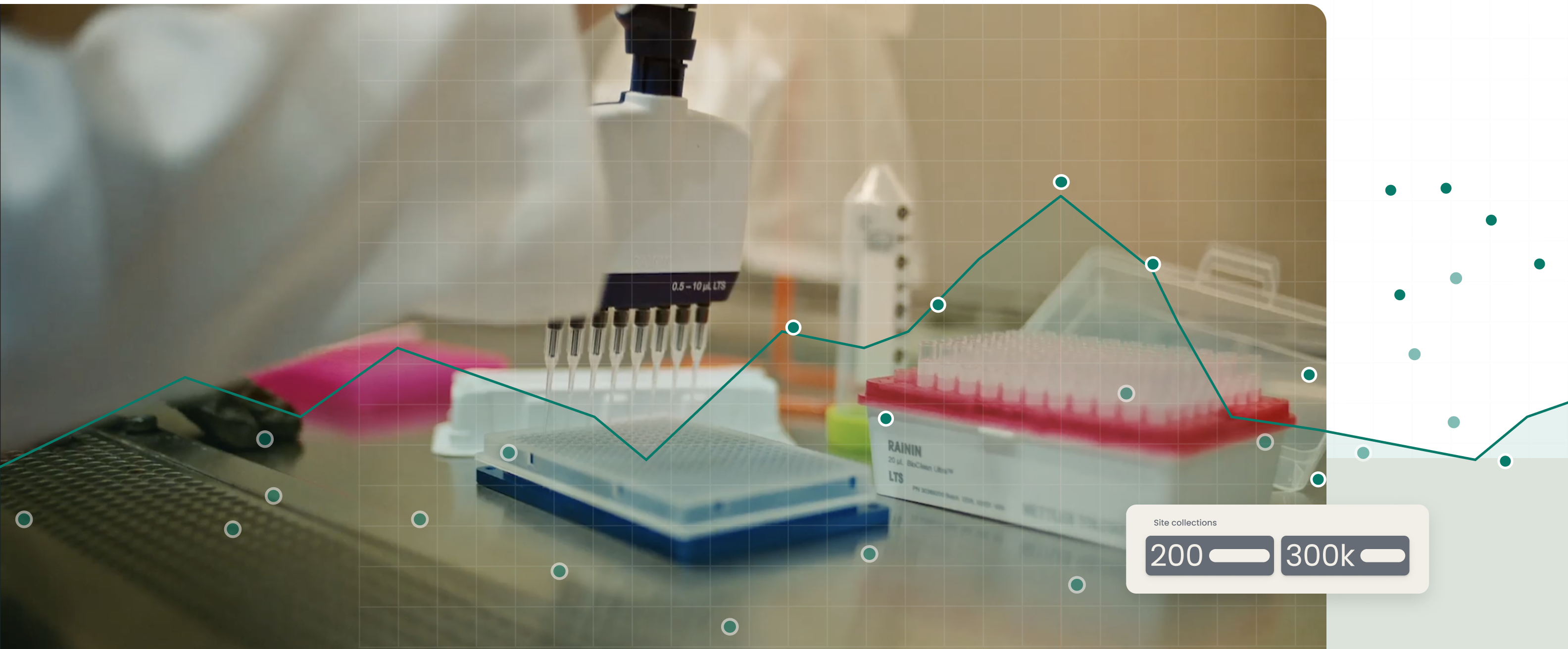
Wastewater monitoring has emerged as a powerful tool in public health monitoring, providing early warning signals, and tracking spatial and temporal trends of diseases within communities. By testing wastewater samples, public health officials can monitor for seasonal diseases, detect new threats, and evaluate the impact of interventions implemented to prevent transmission.
Watch a short video learn more about wastewater monitoring: A Watershed Moment: See how Vegas can outsmart the next pandemic
Supporting Hawaii's rapid
H5N1 response
In the spring of 2024, after detecting unusually high levels of influenza A in wastewater, Verily developed and implemented a specific assay to detect the H5 subtype. The value of that assay was demonstrated in Hawaii in November 2024 when Influenza A (H5) was detected in wastewater from Honolulu County. This was the first detection of the H5 virus in the state.
Verily’s wastewater assay detected influenza A (H5) in Honolulu County prior to any detection in Hawaii.
This early warning immediately triggered a response, starting with rapid coordination between state and federal agencies to disseminate public news releases. Within 48 hours, the public health investigation linked the wastewater finding to a backyard flock, allowing containment and an assessment of human exposure. Thanks to the state public health and agricultural departments’ rapid response, no human cases were detected.
Learn about how wastewater monitoring helped mitigate H5 in Texas: Read our blog about the early warning signs with proactive monitoring.
The power of integrating
environmental data
This experience in Hawaii demonstrates the power of integrating advanced wastewater monitoring with a One Health approach. By monitoring environmental signals, public health agencies can detect threats earlier, coordinate responses more effectively, and protect communities from emerging threats. These efforts are crucial in an increasingly interconnected world.
Dive deeper into H5N1
response and wastewater monitoring!
Want to understand the intricate details of H5N1 preparedness, monitoring, and outbreak response strategies? Learn how wastewater monitoring is revolutionizing public health. Watch our on-demand webinar today: Leveraging Wastewater Monitoring to Respond to the H5N1 Outbreak!